
Uncategorized
Are curtains considered fixtures?

Nov
Are curtains considered fixtures?
When buying, selling, or renting a property, one of the most common points of confusion is whether curtains are considered fixtures. Homeowners often assume window furnishings are automatically included in a sale, yet that is not always the case. Understanding the difference between fixtures and fittings is essential if you want to avoid disputes, unexpected costs, or misunderstandings during a property handover. The question of whether curtains are considered fixtures often becomes critical during contract negotiations where clarity can save frustration for both parties.
In Australian property law, the distinction comes down to how an item is attached and whether removing it would cause damage. When evaluating whether curtains are considered fixtures, you need to look at both the fabric and the hardware. This simple breakdown helps homeowners, agents, and buyers understand what stays and what goes.
Check out our Blinds by Room guide and Blinds by Window guide for expert advice.
What are fixtures and fittings?
To understand whether curtains are considered fixtures, start with the legal definitions:
Fixtures
These are items permanently attached to the property. Fixtures are generally included in the sale unless specifically excluded in the contract. They are physically secured to the building in a way that removal would cause damage or leave the property incomplete.
Common fixtures include:
- Curtain rods
- Tracks
- Plantation shutters
- Built-in cabinetry
- Light fittings
- Carpets attached by grippers
- Hardwired appliances
Fittings (Chattels)
Fittings are movable items that can be taken when the seller leaves. They are not permanently attached and do not form part of the building structure.
Common fittings include:
- Curtains
- Freestanding lamps
- Freestanding appliances
- Furniture
- Decorative items
So when asking whether curtains are considered fixtures, the general answer is no — but the curtain rods and tracks almost always are.
Why the curtain fabric is not considered a fixture
Although curtains hang from a fixed rod or track, the fabric itself is designed to be removed without any damage. This is the key reason curtains are considered fixtures only in part. The fabric panels simply slide off the rod or unhook from the track, making them portable.
Many sellers take their curtains to their new home, especially if they invested in custom-made fabrics. Buyers are often surprised when the curtains are removed before settlement, which is why clarity in the contract is essential.
Why curtain rods and tracks
are
considered fixtures
The hardware tells the other half of the story. Curtain rods, tracks, and brackets are fixed to the wall or ceiling with screws. Removing them would leave holes and potentially damage the plaster, meaning they meet the definition of a fixture.
This means that even though curtains are considered fixtures only partially, the hardware stays unless specifically excluded.
For buyers, this ensures the home still has the necessary fittings to install their own window coverings immediately after moving in. For sellers, it means replacing the hardware is usually not allowed unless they negotiate it as an exclusion.
What about blinds — are they fixtures?
While curtains are considered fixtures only in relation to the rods, blinds are usually considered full fixtures. This is because blinds are permanently mounted to the window frame and form part of the home’s structure.
Examples of blinds considered fixtures include:
- Roller blinds
- Vertical blinds
- Venetian blinds
- Roman blinds
- Plantation shutters
Because blinds cannot be removed without tools and would leave visible damage, they nearly always stay with the property.
Situations where curtains can be considered fixtures
Even though curtains are considered fixtures in most cases only for their hardware, there are a few situations where the fabric may be treated differently:
1. Custom curtains tailored to the house
If curtains are specifically made-to-measure for the property, a buyer may reasonably expect them to stay. However, this must be stated in the contract.
2. High-end designer installations
In some prestige homes, curtains may be seen as part of the overall design and therefore treated more like fixtures. Again, this depends on the contract.
3. When the agent markets the home with curtains included
If marketing materials show the curtains as part of the décor, buyers usually assume they are included. Legally, though, the contract is the only binding document.
This is why communication is crucial when determining whether curtains are considered fixtures.
Common disputes and how to avoid them
Because curtains are considered fixtures only in some respects, misunderstandings happen. To avoid conflict:
- Buyers should request clarity in the contract about exactly what window coverings are included.
- Sellers should disclose exclusions early, especially if removing expensive curtains.
- Agents should confirm inclusions before finalising marketing materials.
This simple clarity removes doubt and keeps everyone protected.
Why clarity is essential in property contracts
The question “Are curtains considered fixtures?” might seem simple, but disagreements over window furnishings are one of the most frequent settlement conflicts. Since curtains are considered fixtures only in terms of hardware, buyers should never assume fabric panels will remain. Including all window furnishings in the contract ensures transparency and avoids shock on settlement day.
For homeowners preparing a property for sale, updating older curtains or blinds can instantly improve presentation and add value. This is where The Blind Crew provides precision-measured curtains and blinds across the Central Coast, helping sellers present their home beautifully and buyers upgrade immediately after moving in.
SUMMARY
So, are curtains considered fixtures? The short answer is no — the fabric panels are not, but the rods and tracks are. Curtains are considered fixtures only when referring to the hardware permanently attached to the wall. If the fabric is important to either party, it must be clearly included or excluded in the sales contract. Whether you’re buying, selling, or updating your home, The Blind Crew provides premium curtains and blinds that elevate comfort, style, and property value with professional installation across the Central Coast.
Looking for blinds in your local area? Find your suburb here to see if The Blind Crew services your location.
Please Note: The Blind Crew specialises exclusively in the supply and installation of custom-made blinds, shutters, and awnings.
We do not offer blind cleaning or repair services.
For trusted maintenance options, visit Jim’s Cleaning Blinds Division 131 546 or Amazing Blind Repairs 1300 138 150.
Fast Turnaround – Blinds, Shutters & Outdoor Awnings Installed Quickly
- Roller blinds: Installed within just a few days (pending fabric stock by Australian suppliers)
- Electric Motors: Installed within just a few days (pending Stock)
- Indoor blinds: (vertical, venetian, roman, panel): 7–14 days
- Plantation shutters: 3–4 weeks
- Outdoor blinds & awnings: 3–4 weeks



Explore Our Complete Product Range
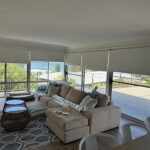
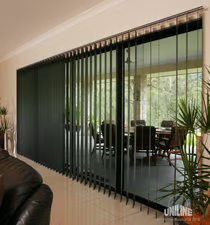
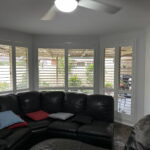
- The Blind Crew offers roller blinds, verticals blinds, venetian blinds, roman blinds, panel blinds, double roller blinds, plus Plantation shutters, curtains including blackout curtains, Sheer curtains, Double curtain rods; outdoor blinds, awnings and smart home, electric blinds and motorisation — all custom made for your home.
Why Central Coast homeowners choose The Blind Crew
- Free measure and quote across the Central Coast – no obligation or pushy sales
- Expert installation and quality blinds built to last
- Fast turnaround and friendly local service
- Roller blinds, Verticals, plantation shutters, curtains and outdoor blinds supplied and installed
