Uncategorized
Battery vs Hardwired Electric Blinds
Oct
Battery vs Hardwired Electric Blinds
When upgrading to motorised blinds, one of the first questions homeowners ask is: what’s better — battery vs hardwired electric blinds?
Both options offer modern convenience, quiet operation, and seamless control, but they differ significantly in how they’re powered, installed, and maintained. Understanding the pros and cons of battery vs hardwired electric blinds can help you make the right choice for your home, especially if you’re planning a renovation or smart home setup.
In this guide, we’ll break down exactly how each type works, the advantages and disadvantages of both, and which option suits different spaces and lifestyles across the Central Coast.
Check out our Blinds by Room guide and Blinds by Window guide for expert advice on choosing the perfect window coverings for every space and window style in your home.
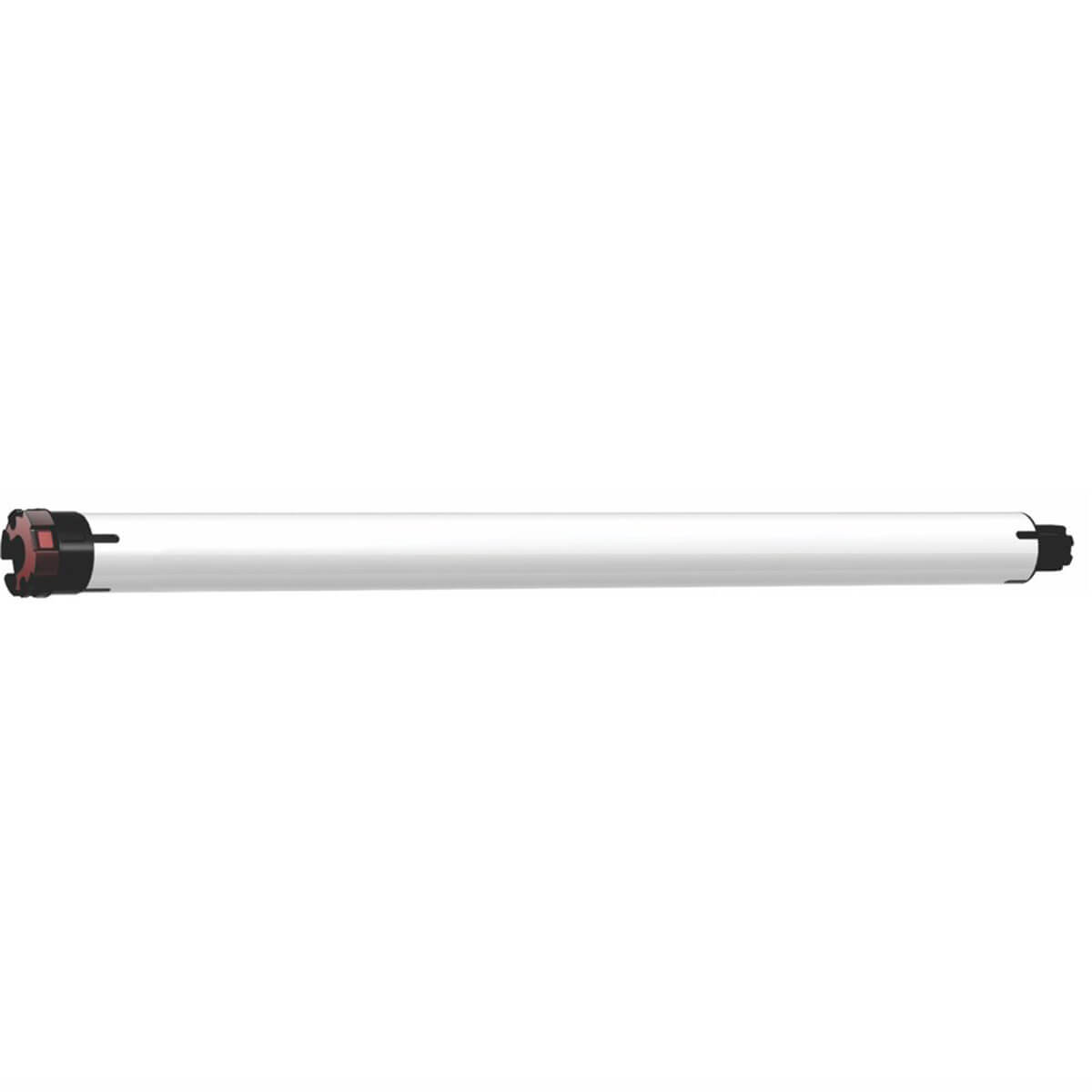
Understanding the Difference
The main difference between battery vs hardwired electric blinds comes down to the power source.
- Battery-powered electric blinds operate using rechargeable or replaceable batteries stored in a small battery pack attached to the blind mechanism.
- Hardwired electric blinds connect directly to your home’s electrical wiring, providing a constant and uninterrupted power supply.
While both systems perform the same function — raising and lowering your blinds automatically — how they draw power can impact reliability, maintenance, cost, and convenience.
Let’s compare them side by side.
Battery-Powered Electric Blinds
Battery blinds have quickly become a popular choice for homeowners who want the convenience of motorisation without the complexity of wiring.
They are ideal for retrofits, rental properties, or situations where running new electrical cables isn’t practical.
Pros of Battery-Powered Electric Blinds
1. Easy Installation
One of the biggest advantages in the battery vs hardwired electric blinds debate is installation.
Battery blinds are completely wireless — meaning there’s no electrician required. The battery pack attaches neatly to the blind’s headrail or behind the fascia, and the blinds are operated via remote control or smartphone app.
This makes them perfect for:
- Renters or homeowners who want a non-permanent solution
- Existing homes without access to nearby power outlets
- High or hard-to-reach windows
You can have your new blinds installed in under an hour, without any invasive work or wall cutting.
2. Flexible Placement
Another reason battery-powered blinds stand out is their flexibility. Because they don’t rely on a power outlet, they can be installed anywhere — even on windows far from wiring or where aesthetics make running cables undesirable.
They’re ideal for older homes or apartments where rewiring isn’t possible and for skylights or corner windows where access is limited.
3. Lower Upfront Cost
Compared to hardwired systems, battery blinds are more affordable initially. There’s no electrical labour cost, and the blinds themselves are often priced slightly lower.
This makes them an attractive entry point for homeowners wanting to experience automation without a large upfront investment.
Cons of Battery-Powered Electric Blinds
1. Maintenance and Recharging
The main downside of battery blinds in the battery vs hardwired electric blinds comparison is the need for periodic recharging or replacement.
Most rechargeable systems need charging every 4–6 months, depending on usage. For homes with many blinds, this can become time-consuming — especially if some blinds are installed in difficult-to-reach areas.
2. Limited Power for Large Windows
Battery motors are less powerful than hardwired options. While perfect for small and medium windows, they may struggle with large or heavy blinds, causing slower or uneven operation.
For big sliding doors or oversized windows, hardwired systems tend to perform better long term.
3. Long-Term Cost
Although installation is cheaper, battery replacements and maintenance can add up over time. Rechargeable packs eventually degrade, and replacing them every few years adds to your total cost of ownership.
For short-term flexibility, battery blinds are fantastic — but if you’re planning a forever home, a hardwired option might be more cost-effective.
Hardwired Electric Blinds
Hardwired electric blinds are the premium, permanent option in the battery vs hardwired electric blinds discussion.
They connect directly to your home’s electrical system, ensuring continuous operation without the need for recharging. These are typically installed during renovations or new home builds when wiring access is easiest.
Pros of Hardwired Electric Blinds
1. Reliable Power Supply
When it comes to battery vs hardwired electric blinds, reliability is where hardwired systems shine.
Because they’re connected directly to your power source, there’s no downtime or risk of the blinds getting stuck with a dead battery. They’re consistent, powerful, and built for long-term performance.
This makes them perfect for:
- Large homes with many windows
- Commercial properties
- Homes that use advanced smart automation systems
You can operate dozens of blinds simultaneously without worrying about battery life or uneven movement.
2. Ideal for Large or Heavy Windows
Hardwired blinds provide more torque, making them ideal for large windows, sliding doors, or heavy blackout fabrics.
If your home features large glass panels — especially common in Central Coast coastal designs — hardwired blinds will handle them smoothly and silently.
3. Seamless Smart Home Integration
For homeowners embracing automation, hardwired blinds are the superior choice.
They integrate easily with smart home systems like Google Home, Alexa, and Control4, allowing you to schedule blind movement based on time, light, or temperature.
Because they’re powered continuously, they work in perfect sync with your other smart devices without needing manual recharging or maintenance.
4. Energy Efficiency
Hardwired blinds eliminate the need for disposable batteries and draw minimal power from your home’s electrical system. This makes them an environmentally friendly and energy-efficient choice long term.
They also perform more smoothly, using consistent motor torque that avoids the battery fade that can occur with older rechargeable units.
Cons of Hardwired Electric Blinds
1. More Complex Installation
The biggest drawback of hardwired blinds is the installation process. They require access to wiring and are best installed during construction, renovation, or electrical upgrades.
If your home isn’t pre-wired, running new cables can be costly or difficult, especially for upper-storey windows.
2. Higher Upfront Cost
Between electrical work, wiring, and professional labour, hardwired electric blinds cost more upfront. However, many homeowners see this as an investment that pays off in reliability and minimal long-term maintenance.
3. Placement Limitations
Because hardwired blinds need to connect to a power source, you’re limited by where wiring or outlets can be installed. This makes them less flexible for existing homes or windows located far from walls or corners with accessible power.
Choosing Between Battery vs Hardwired Electric Blinds
So which is better — battery vs hardwired electric blinds?
The right choice depends on your space, budget, and lifestyle.
- Choose battery-powered electric blinds if:
- You want a quick, wire-free installation.
- You live in a rental or existing home.
- Your windows are standard-sized and easy to access.
- Choose hardwired electric blinds if:
- You’re building or renovating.
- You want full smart home integration.
- You have large, heavy blinds or multiple rooms to automate.
Both options can provide the same sleek appearance, smooth operation, and smart functionality — it’s just a matter of how much you want to invest upfront versus long term.
Professional Advice from The Blind Crew
At The Blind Crew, we specialise in electric and motorised blinds across the Central Coast — including Terrigal, Erina, Wamberal, and Avoca Beach.
We supply and install both battery and hardwired systems, helping you choose the right motor type based on your home’s layout, window sizes, and design goals.
Our mobile showroom brings samples and live demonstrations directly to your home, so you can experience the difference first-hand before you decide.
Whether you’re fitting out a single room or a full smart home, our experienced installers ensure every blind is perfectly fitted, powered, and programmed for years of reliable use.
For expert advice or a free measure and quote, contact us today on 1800 337 338 or email hello@theblindcrew.com.au.
Summary
So, what’s the verdict in the battery vs hardwired electric blinds debate?
Battery-powered blinds are flexible, affordable, and easy to install — perfect for existing homes or renters. Hardwired blinds, on the other hand, are more powerful, reliable, and ideal for permanent installations or smart home setups.
Both options can transform your space with effortless light control, sleek modern style, and a touch of automation that makes everyday living easier.
Please Note: The Blind Crew specialises exclusively in the supply and installation of custom-made blinds, shutters, and awnings.
We do not offer blind cleaning or repair services.
For trusted maintenance options, visit Jim’s Cleaning Blinds Division 131 546 or Amazing Blind Repairs 1300 138 150.
Fast Turnaround – Blinds, Shutters & Outdoor Awnings Installed Quickly
- Roller blinds: Installed within just a few days (pending fabric stock by Australian suppliers)
- Electric Motors: Installed within just a few days (pending Stock)
- Indoor blinds: (vertical, venetian, roman, panel): 7–14 days
- Plantation shutters: 3–4 weeks
- Outdoor blinds & awnings: 3–4 weeks