
Uncategorized
Curtains boost home insulation
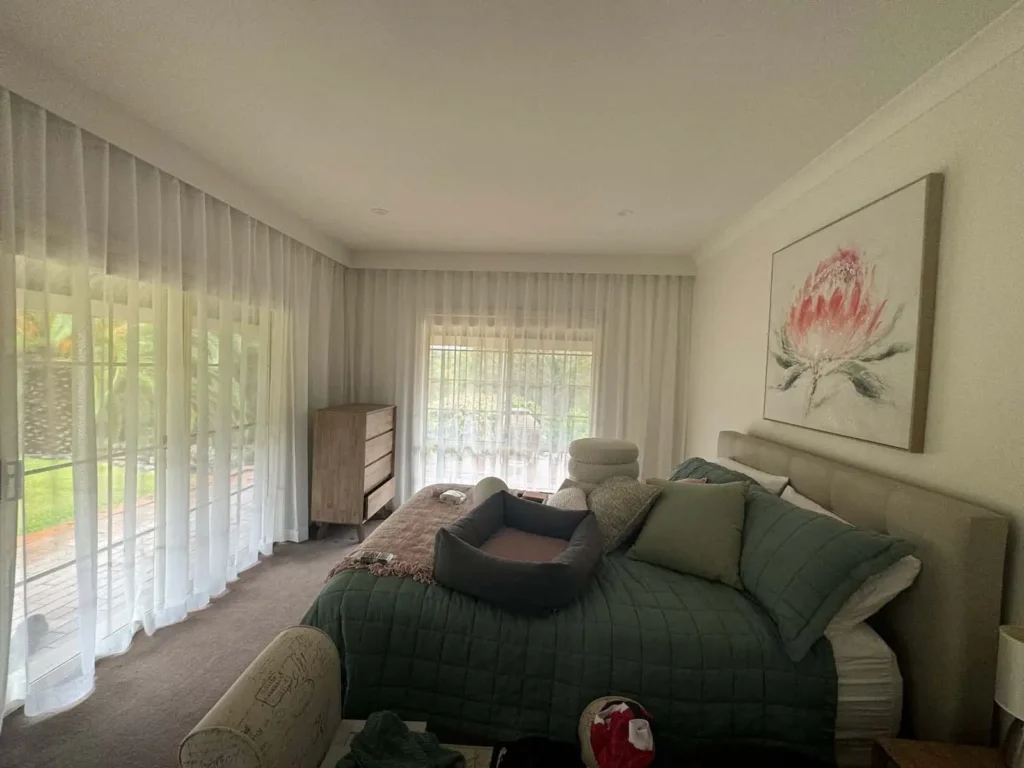
Nov
Curtains boost home insulation
When you think about keeping your home warm in winter and cool in summer, curtains might not be the first thing that comes to mind—but they should be. More than just decorative styling, curtains play an important practical role in improving thermal performance. When chosen and installed correctly, curtains boost home insulation by creating a protective barrier over your windows, reducing heat transfer and helping maintain comfortable indoor temperatures throughout the year.
Windows are one of the biggest sources of energy loss in any home. Even high-quality double-glazed windows can allow heat to escape during winter or pour into your rooms during summer. This is where the right window coverings make a measurable difference. Across Australia’s varied climate zones, homeowners are increasingly turning to well-fitted curtains to strengthen thermal efficiency, reduce reliance on heating and cooling, and enjoy more stable, comfortable living spaces.
Check out our Blinds by Room guide and Blinds by Window guide for expert advice.
How curtains boost home insulation
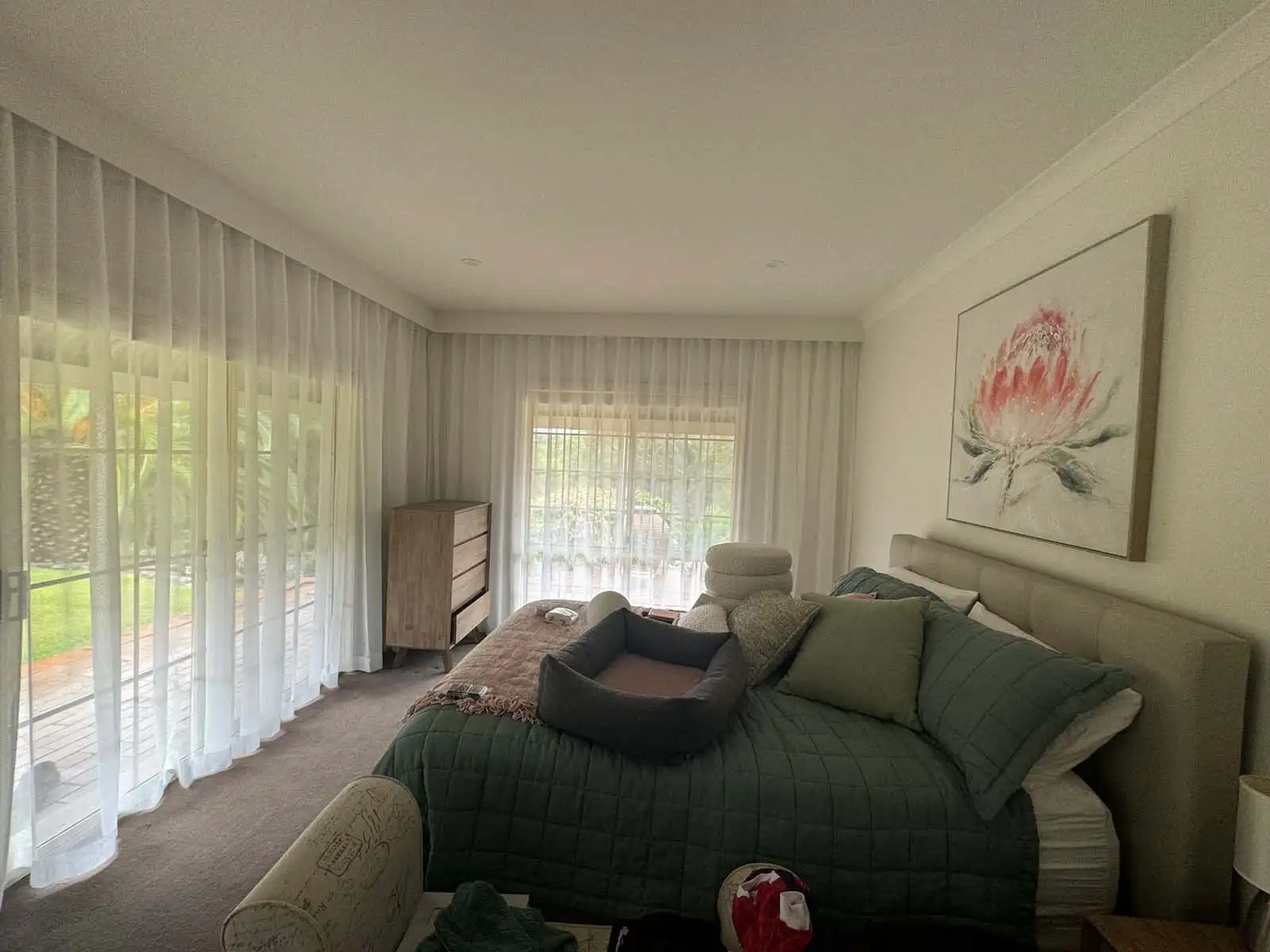
Curtains boost home insulation by forming a thermal barrier that limits how much warm or cool air escapes through the glass. When hung close to the window frame and allowed to fall from ceiling to floor, they effectively trap a pocket of still air—this is the insulating layer that slows heat transfer. The thicker, denser, and more tightly woven the fabric is, the more effective this barrier becomes.
Thermal-lined and blockout curtains are particularly effective at reducing heat loss. The lining acts as an additional layer of insulation, preventing cold drafts from entering and keeping warm indoor air from drifting out. During summer, these same curtains block radiant heat, keeping rooms cooler without excessive air conditioning use.
This simple but powerful effect is the core reason curtains boost home insulation in a reliable, passive way.
Choosing fabrics that enhance insulation
Not all fabrics perform equally. To ensure that curtains boost home insulation effectively, materials should be chosen with both density and weave in mind.
- Thermal-lined polyester or cotton blends are ideal for controlling temperature.
- Blockout fabrics significantly reduce heat transfer while also providing privacy.
- Heavier weaves such as wool blends, triple-weave polyester, or velvet-style fabrics absorb more heat and prevent drafts from circulating into the room.
- Multiple layers—for example, a sheer layer paired with a thermal blockout—offer exceptional flexibility for light control while maintaining strong insulation.
Regardless of the style, the core principle remains consistent: the thicker the fabric and the more layers involved, the more your curtains boost home insulation.
Why installation technique matters
Fabric alone isn’t enough. To ensure curtains boost home insulation as much as possible, installation must be done correctly. The most effective setups use:
- Ceiling-mounted tracks to eliminate heat escaping over the top.
- Wall-to-wall coverage so there are no gaps at the sides.
- Floor-length designs that touch or lightly graze the floor to minimise upward drafts.
- Layers—such as pairing sheers for daytime use with full blockout curtains for maximum insulation at night.
The aim is to seal the window area with fabric, creating a controlled envelope of air that stabilises room temperature. When all these elements combine, curtains boost home insulation remarkably well, often more effectively than many homeowners expect.
Seasonal benefits throughout the year
Curtains boost home insulation in both winter and summer, but the way they work shifts slightly depending on the season.
Winter performance
During the colder months, curtains act as a barrier preventing warmth from leaking through the glass. Thermal curtains can reduce heat loss by up to 60% when properly installed, which means your home heating system works less often and less aggressively. This translates into lower power bills and a more comfortable living environment.
Summer cooling
The same curtains that keep warmth in during winter also block radiant heat from entering during summer. Thick curtains or those with reflective backings stop sunlight from heating up indoor air, decreasing the need for air conditioning. By keeping rooms cooler earlier in the day, curtains significantly reduce energy usage.
In both scenarios, curtains boost home insulation in ways that feel immediate and easy to notice—less temperature fluctuation, fewer drafts, and more consistent comfort.
Curtains versus other window treatments
You have many options when it comes to window furnishings—blinds, shutters, and shades each offer their own benefits. However, curtains boost home insulation more effectively than most alternatives because:
- They cover a much larger surface area.
- They reach from ceiling to floor.
- Their layered fabric design adds thermal mass.
- Their installation allows them to block gaps around the window.
For homeowners who want maximum insulation without complicated installation or major renovations, curtains are the simplest and most cost-effective option.
Energy savings and sustainability
With rising energy costs and a growing focus on environmental responsibility, improving your home’s thermal efficiency is one of the most impactful changes you can make. Because curtains boost home insulation naturally, they help reduce your reliance on artificial heating and cooling. This not only results in lower power bills but also lowers your carbon footprint.
The long-term savings add up quickly, especially in homes with multiple large windows. Whether you have a modern build with open-plan glass walls or an older property that can feel drafty in winter, the right curtains create a noticeable improvement.
Why more homeowners choose professional solutions
While off-the-shelf curtains can help, custom-made curtains are significantly more effective at insulation. A precise fit is essential for eliminating gaps and ensuring full coverage, and high-quality suppliers offer fabrics specifically engineered for thermal performance.
Professional installation ensures ceiling-mounted tracks, perfect sizing, and seamless wall-to-wall fitting—three critical factors that determine how well curtains boost home insulation in real-world use.
Summary
Curtains boost home insulation by forming a powerful thermal barrier that stabilises indoor temperatures across all seasons. With the right fabrics, custom fitting, and correct installation, curtains reduce heat loss in winter, block heat entry in summer, and help maintain a comfortable, energy-efficient home. For homeowners wanting better insulation without complicated renovations, professionally-made curtains deliver exceptional performance, long-term savings, and reliable comfort. Choosing a trusted local supplier ensures the best fabrics, the best fit, and the best installation so your curtains work exactly as they should.
Looking for blinds in your local area? Find your suburb here to see if The Blind Crew services your location.
Please Note: The Blind Crew specialises exclusively in the supply and installation of custom-made blinds, shutters, and awnings.
We do not offer blind cleaning or repair services.
For trusted maintenance options, visit Jim’s Cleaning Blinds Division 131 546 or Amazing Blind Repairs 1300 138 150.
Fast Turnaround – Blinds, Shutters & Outdoor Awnings Installed Quickly
- Roller blinds: Installed within just a few days (pending fabric stock by Australian suppliers)
- Electric Motors: Installed within just a few days (pending Stock)
- Indoor blinds: (vertical, venetian, roman, panel): 7–14 days
- Plantation shutters: 3–4 weeks
- Outdoor blinds & awnings: 3–4 weeks




Explore Our Complete Product Range
- The Blind Crew offers roller blinds, verticals blinds, venetian blinds, roman blinds, panel blinds, double roller blinds, plus Plantation shutters, curtains including blackout curtains, Sheer curtains, Double curtain rods; outdoor blinds, awnings and smart home, electric blinds and motorisation — all custom made for your home.
Why Central Coast homeowners choose The Blind Crew
- Free measure and quote across the Central Coast – no obligation or pushy sales
- Expert installation and quality blinds built to last
- Fast turnaround and friendly local service
- Roller blinds, Verticals, plantation shutters, curtains and outdoor blinds supplied and installed
