
Uncategorized
Do curtains provide Energy efficiency
Nov
Do curtains provide Energy efficiency
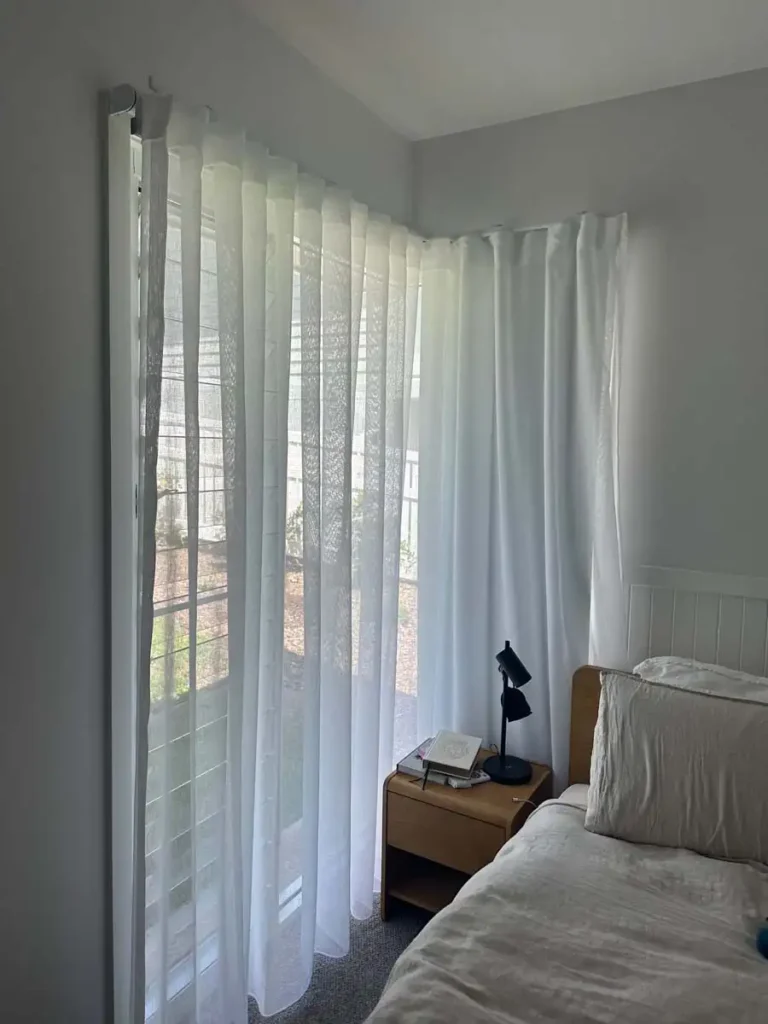
When choosing window furnishings for your home, one of the biggest questions many homeowners ask is: Do curtains provide energy efficiency? The short answer is yes — curtains can significantly improve how your home manages heat, light, and overall comfort. More than a decorative feature, the right curtains act as a thermal barrier, helping to regulate indoor temperatures and reduce how hard your heating and cooling systems need to work. This makes curtains a smart, cost-effective way to boost energy efficiency all year round.
Understanding how curtains improve energy efficiency starts with looking at how heat moves through windows. Glass is one of the biggest sources of heat loss in winter and heat gain in summer. Even modern double glazing can only do so much, which is why layered, well-designed curtains play such an important role. They trap air, block sunlight when needed, and insulate your living spaces — all of which contribute to better energy efficiency.
Check out our Blinds by Room guide and Blinds by Window guide for expert advice.
How curtains help with winter Energy efficiency
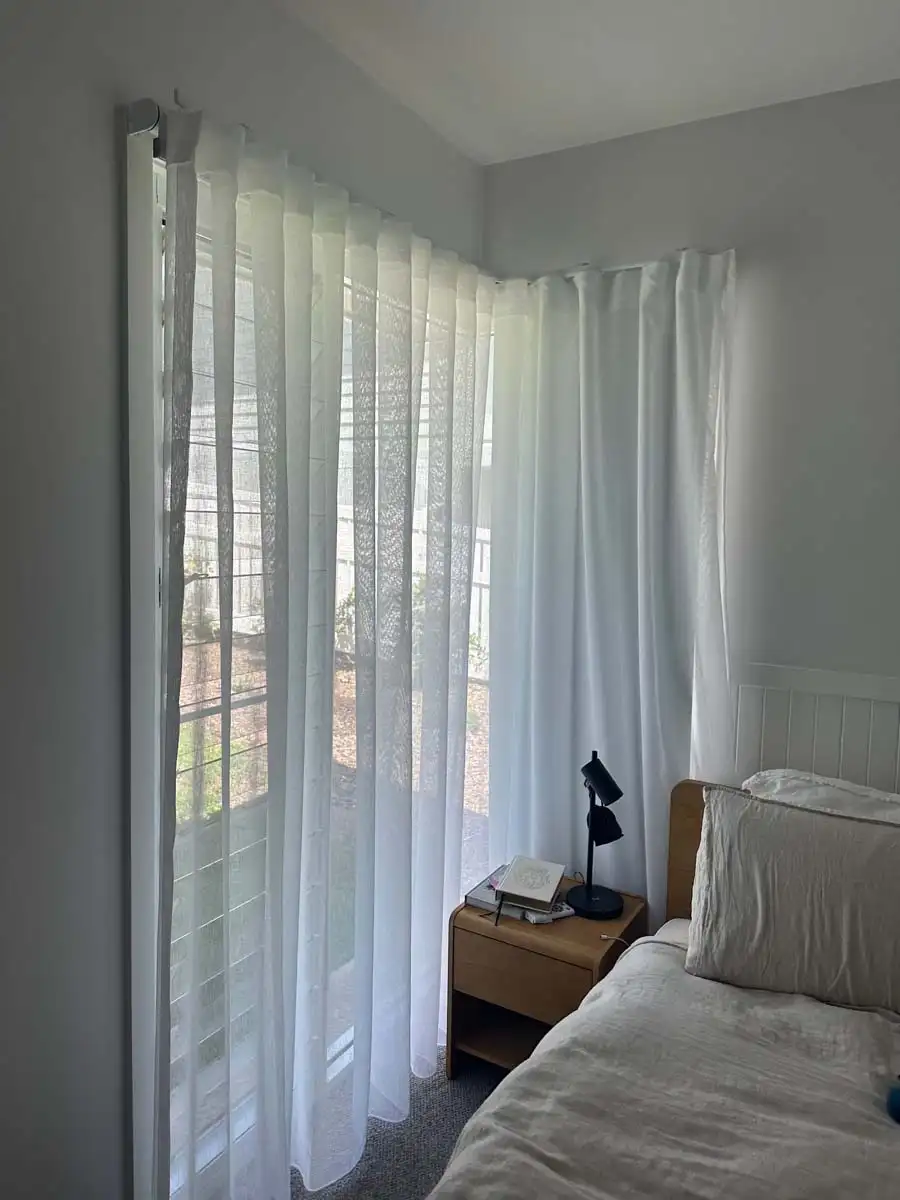
In colder months, keeping warm air inside your home is essential for comfort. So, do curtains provide energy efficiency in winter? Absolutely. Curtains retain heat by creating a still air pocket between the window and the room. This acts like an insulating blanket, reducing drafts and preventing warm indoor air from escaping outside.
Heavy fabrics, blockout curtains, or curtains with thermal lining are especially effective for winter energy efficiency. They prevent cold glass from radiating chilly air into the room, meaning your heating doesn’t need to work as hard. For homes with older windows or thin glass, this insulation can make a noticeable difference to indoor comfort and energy bills.
How curtains reduce heat and improve summer Energy efficiency
During hot Australian summers, windows become a major source of heat entering the home. So, do curtains provide energy efficiency in warm weather too? Yes — curtains play an important role in blocking solar heat and keeping interiors cooler.
Light-coloured curtains, especially blockout or thermal varieties, deflect sunlight and prevent rooms from overheating. This reduces reliance on air conditioning, contributing to better summer energy efficiency. Even sheer curtains help by diffusing sunlight and reducing direct glare. The thicker the fabric and the closer the curtain sits to the window frame, the greater the improvement in energy efficiency.
Curtains minimise drafts and improve overall Energy efficiency
Drafts and air movement around windows are common sources of temperature loss, so the question becomes: can curtains stop drafts and improve energy efficiency? Yes — when correctly fitted, curtains cover gaps and stop cold air seeping in or warm air escaping.
Floor-length curtains, ceiling-mounted tracks, and curtains that overlap the window edges all contribute to better sealing, which improves overall energy efficiency. Adding a pelmet over the top of the curtain stops air circulating behind the fabric and leaking into the room. This simple addition can greatly improve the insulating performance of any curtain setup and significantly boost your home’s energy efficiency.
Reducing condensation with curtains improves Energy efficiency
Another lesser-known benefit is how curtains help reduce condensation. Moisture buildup on windows occurs when warm indoor air hits cold glass — common during winter. By acting as a buffer, curtains help stabilise the temperature near the window, reducing condensation and protecting your frames and furniture. This contributes to the long-term energy efficiency of your home by preventing moisture-related damage and maintaining stable indoor temperatures.
How to maximise Energy efficiency using curtains
So if the goal is to enhance energy efficiency, what factors matter most? Here’s how to get the best performance from your curtains:
1. Choose the right fabric
To maximise energy efficiency, choose thick, heavy fabrics, blockout curtains, or curtains with thermal lining. These provide the strongest insulation benefits. For summer, light-coloured or reflective-backed fabrics help bounce heat away.
2. Ensure proper fit and coverage
Curtains should extend well beyond the window frame to improve energy efficiency. Gaps let air escape or enter, undermining the insulating effect. Floor-to-ceiling curtains offer the best performance.
3. Add a pelmet for improved insulation
Pelmets help stop warm air rising behind the curtains and escaping through the top. Adding this simple fixture greatly boosts energy efficiency in both winter and summer.
4. Layer curtains for flexible Energy efficiency
A combination of sheer and blockout curtains offers the best of both worlds. During the day, sheers allow soft light in while reducing heat. At night, blockout curtains provide insulation. This layered setup significantly improves energy efficiency and comfort throughout the day.
5. Adjust curtains seasonally for maximum benefit
Open curtains during sunny winter days to let warmth in, then close them at night to trap heat. In summer, keep curtains closed during the hottest parts of the day to maintain cooler indoor temperatures. Smart usage habits play a big role in improving energy efficiency.
Are curtains enough for full Energy efficiency?
While curtains alone won’t replace modern insulation, double glazing, or shading, they are one of the most cost-effective ways to boost energy efficiency without structural renovations. Homes with well-chosen curtains often experience lower power bills, better temperature stability, and improved overall comfort.
Pairing curtains with other window treatments — such as blinds or shutters — can further increase energy efficiency. Layering window coverings creates stronger insulation and greater flexibility for managing heat and light.
Why homeowners rely on curtains for Energy efficiency
Many households turn to curtains not just for style but because of their measurable impact on energy efficiency. They are affordable, simple to install, easy to update, and highly effective at reducing heat transfer. Whether you’re renovating, upgrading window coverings, or trying to reduce your energy usage, curtains are a smart, attractive solution.
Summary
So, do curtains provide energy efficiency? Yes — they act as a powerful thermal barrier that improves insulation, reduces heat gain and loss, minimises drafts, and helps regulate temperature year-round. With the right fabric, fit, and layering, curtains significantly boost your home’s energy efficiency, comfort, and climate control. If you want practical, cost-effective window furnishings that improve both style and performance, curtains remain one of the smartest choices for Australian homes.
Looking for blinds in your local area? Find your suburb here to see if The Blind Crew services your location.
Please Note: The Blind Crew specialises exclusively in the supply and installation of custom-made blinds, shutters, and awnings.
We do not offer blind cleaning or repair services.
For trusted maintenance options, visit Jim’s Cleaning Blinds Division 131 546 or Amazing Blind Repairs 1300 138 150.
Fast Turnaround – Blinds, Shutters & Outdoor Awnings Installed Quickly
- Roller blinds: Installed within just a few days (pending fabric stock by Australian suppliers)
- Electric Motors: Installed within just a few days (pending Stock)
- Indoor blinds: (vertical, venetian, roman, panel): 7–14 days
- Plantation shutters: 3–4 weeks
- Outdoor blinds & awnings: 3–4 weeks




Explore Our Complete Product Range
- The Blind Crew offers roller blinds, verticals blinds, venetian blinds, roman blinds, panel blinds, double roller blinds, plus Plantation shutters, curtains including blackout curtains, Sheer curtains, Double curtain rods; outdoor blinds, awnings and smart home, electric blinds and motorisation — all custom made for your home.
Why Central Coast homeowners choose The Blind Crew
- Free measure and quote across the Central Coast – no obligation or pushy sales
- Expert installation and quality blinds built to last
- Fast turnaround and friendly local service
- Roller blinds, Verticals, plantation shutters, curtains and outdoor blinds supplied and installed
